
Passive Fire Protection (PFP)
Download capability statementin high-risk industrial environments
across the UAE and GCC.
Passive Fire Protection (PFP)
Download capability statementin high-risk industrial environments
across the UAE and GCC.
and Registrations
Passive Fire Protection (PFP) at a Glance
ACT applies passive fire protection to structural steel, vessel skirts, pipe racks and critical supports, onshore and offshore. Systems are selected and applied to achieve the specified fire rating for hydrocarbon-pool, jet-fire and cellulosic scenarios, on new-build and brownfield scopes alike.
Key Capabilities
Epoxy PFP Systems
Water-Based Intumescent Coatings
Assets We Protect
New Builds & Upgrades
WHY CHOOSE
ACT for Passive Fire Protection (PFP)
Proven PFP Expertise
Specialist passive fire protection contractor with experienced, competency-assessed teams delivering to project fire plans.
Certified Fire Performance
Systems applied to achieve the required fire rating, using approved products and tested solutions for structural and asset protection.
Trusted in High-Risk Environments
Proven solutions for oil & gas, petrochemical and offshore assets, including hydrocarbon and jet-fire exposure.
Regulatory & Client Confidence
Aligned with international standards and GCC requirements, with full documentation to support approvals and audits.
Integrated Service Delivery
Combined with blasting, coatings, TSA and rope access under one contract for efficient and coordinated project execution.
Quality & Traceability
Controlled application, rigorous inspection and complete records ensuring long-term performance and compliance.
How We Deliver
Passive Fire Protection (PFP) Projects
Plan
Review the fire protection philosophy and project specifications to define the right PFP system per structure type.
Prepare
Prepare and prime structural steel per PFP manufacturer requirements for a clean, contamination-free base.
Fireproof
Apply intumescent coatings to the specified thickness using controlled methods and trained applicators.
Verify
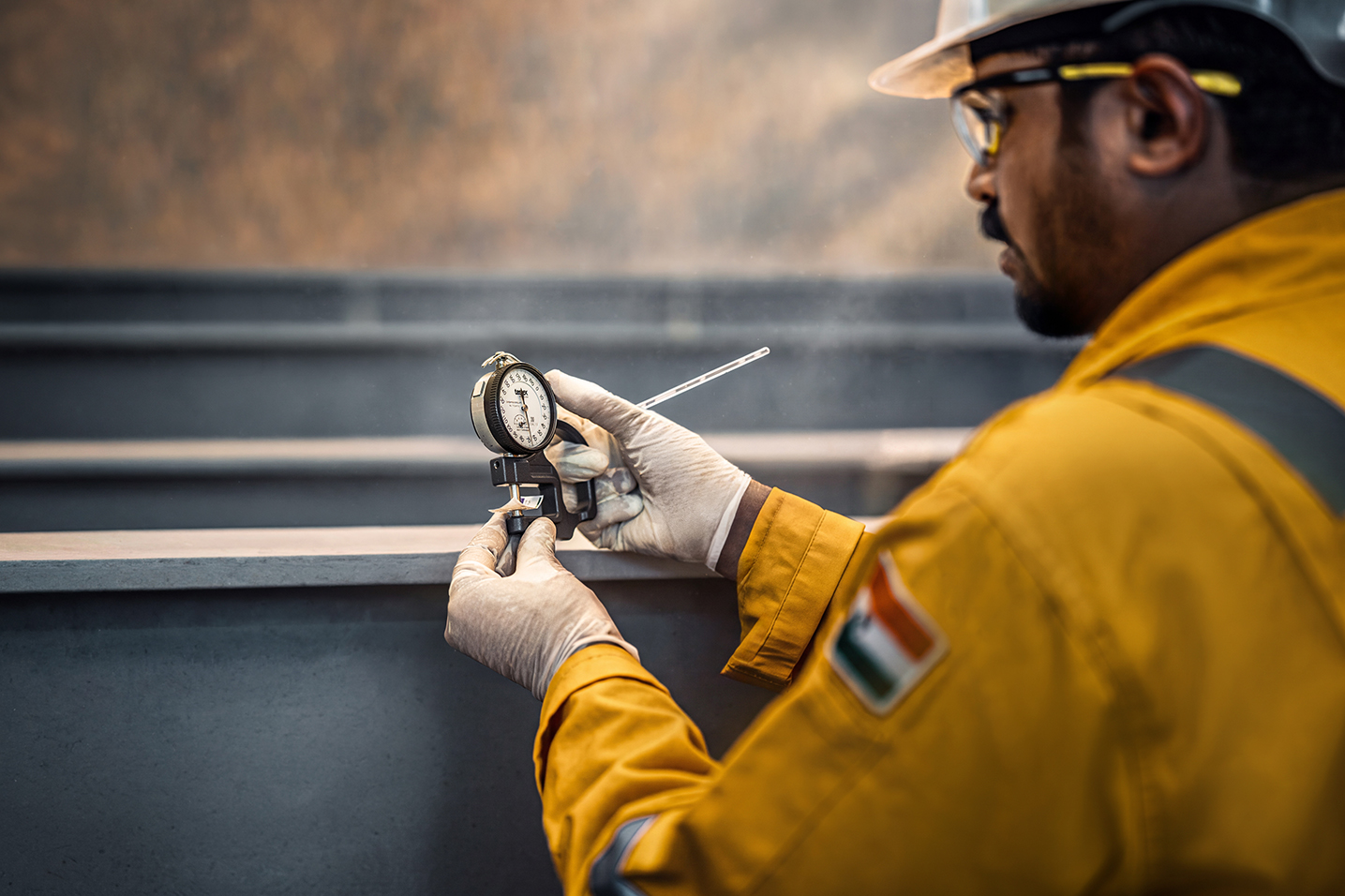
Inspect and document all work — thickness readings, adhesion tests, and visual checks for client audit.
REFERENCE PROJECTS
Passive Fire Protection Projects
From structural steel fireproofing on oil and gas facilities to new-build PFP for EPC contractors — see how ACT delivers.
Frequently Asked Questions
Fire ratings are expressed in minutes — typically 30, 60, 90 or 120 minutes — denoting how long the system protects the integrity of the structure or asset. Each rating is qualified by the exposure it is tested for: H (hydrocarbon fire), J (jet fire) and CSP (cryogenic spill protection).
Systems are specified and tested to recognised international standards, including:
- UL 1709 — rapid-rise (hydrocarbon) fire test for protection materials on structural steel
- BS 476 — fire resistance and reaction-to-fire performance of materials and structural elements
- ASTM E84 — surface burning characteristics of building materials
- ASTM E119 — fire tests of building construction and materials
- UL 263 — fire tests of building construction and structural assemblies
PFP system types:
- Cementitious fireproofing
- Intumescent fireproofing — epoxy and water-based
Fire scenarios and their test standards:
- Cellulosic fire — ISO 834 / EN 1363-1
- Hydrocarbon fire — UL 1709
- Pool fire (liquid) — EN 1363-2
- Jet fire (gas) — ISO 22899-1
- Cryogenic spill protection (LNG spillage) — ISO 20088
The system is selected to suit the fire scenario, the required rating and the asset being protected.
The required thickness is derived from the steel section factor — its heated perimeter divided by cross-sectional area (Hp/A). Using this, together with the required rating and fire type, the system manufacturer produces a loading (thickness) schedule, which is reviewed and approved by the client's design engineering team. ACT applies the approved thickness and verifies it with dry film thickness readings recorded against the approved loading chart, so the achieved thickness meets specification.
Yes. Passive fire protection can be applied to structural steel during live operations and planned shutdowns, subject to permit and client approval. Equipment items such as vessels, tanks and pumps are applied offline or during a shutdown.
At handover, ACT issues inspection reports recording the achieved thickness against the approved loading chart, signed off by all parties, together with a warranty letter.
Talk to our PFP Team
ACT mobilises specialist passive fire protection teams across the UAE and GCC. Certified applicators and inspectors deliver every scope to specification, on time, and fully documented.
DIRECT LINE
+971 4 369 9666
ESTIMATION
contactus@actuae.ae
PRE-QUALIFICATION
Download capability statement